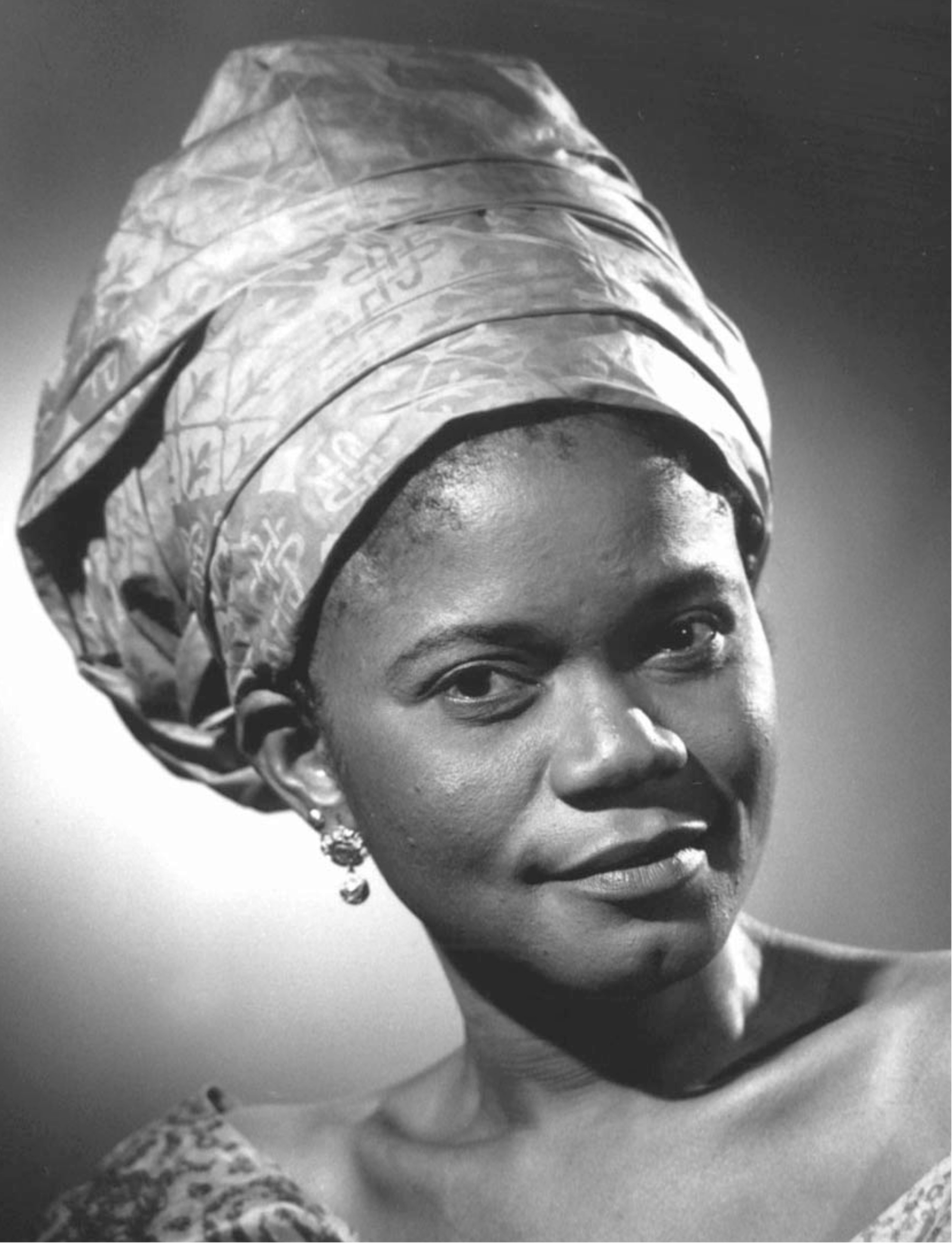
The Wassoulou Valley, which encompasses parts of Mali, Guinea, and the Ivory Coast, has a unique multiethnic culture defined among other things by Wassoulou music, an ancestor of the American blues. Wassoulou is feminist music—it’s played and sung by women and explores themes that concern women. It’s no accident that Brian Shimkovitz chose Wassoulou, specifically an early cassette tape by the singer Nahawa Doumbia, for the first mainstream release on his label Awesome Tapes from Africa. Doumbia is one of the most popular singers of the region. Her unique voice and her texts, which deal with love, women’s position in society, and the situation for African refugees in France, have laid the groundwork for a comprehensive international career. After growing up in South Mali, Doumbia entered and won a singing competition in 1980 against her father’s will; since then, together with her guitarist and husband N’Gou Bagayoko she’s appeared on stages across the world as an ambassador of Wassoulou, a pop music style that has shaped Africa’s youth deeply and that, thanks to waxing global influences, is ever-evolving.
–